
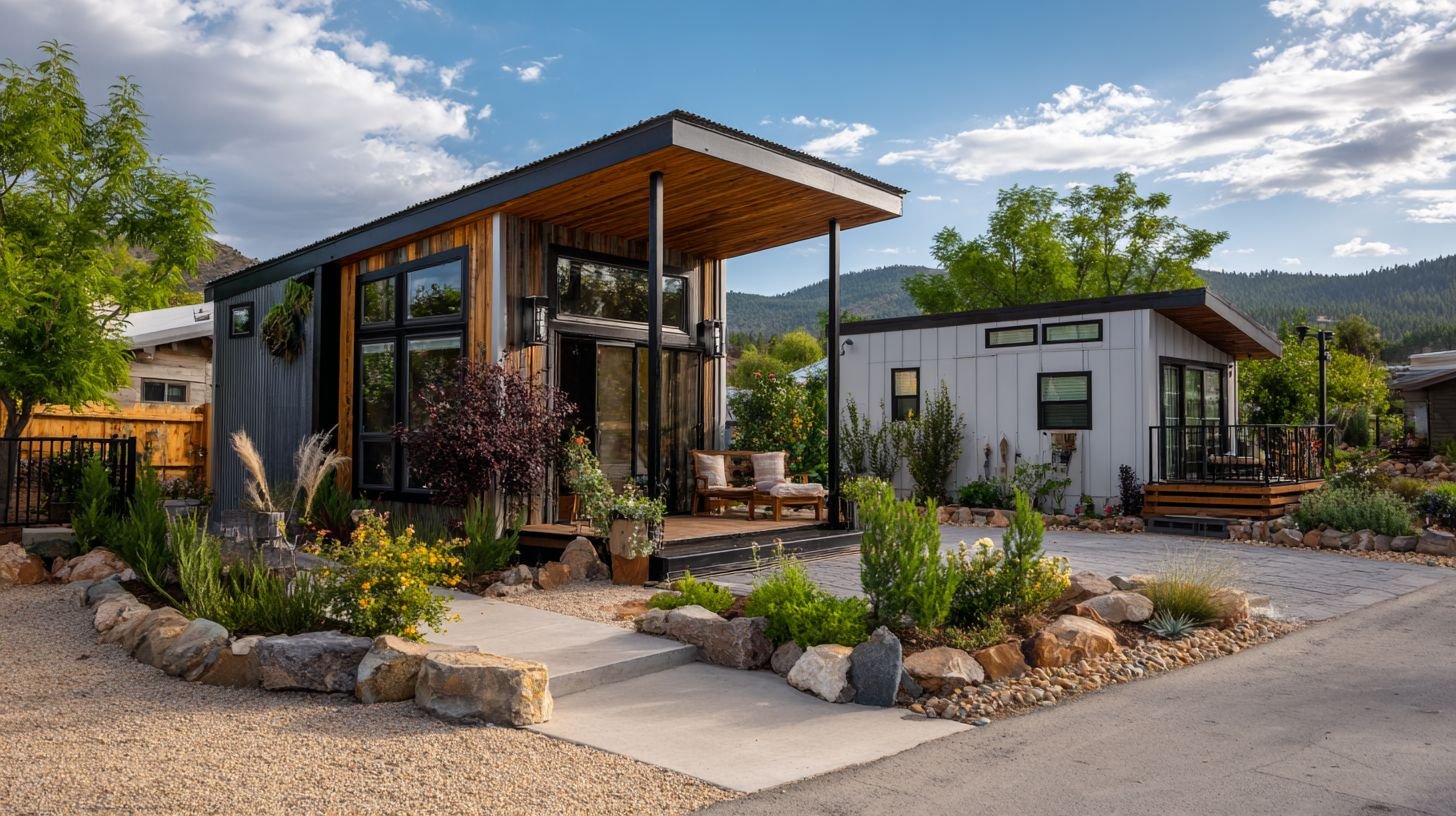
Prefab vs Modular Tiny Homes
Which One Fits Your Lifestyle?
Tiny homebuyers often run into the same challenge early in their search: understanding the difference between prefab and modular tiny homes. Both offer faster construction, predictable pricing, and cleaner manufacturing than traditional builds, yet each works differently—and those differences shape everything from cost and comfort to long-term livability.
With interest rising for prefab tiny homes, modular tiny homes, and tiny homes for sale online, buyers want clarity about which type supports their routines, budget, and goals. This guide breaks down both approaches so you can compare them with confidence, spot the benefits clearly, and choose a home that genuinely fits the way you want to live.
What Prefab Tiny Homes Really Are
Prefab tiny homes are built in a factory, piece by piece, as panels or structural sections that ship ready for onsite assembly. Instead of working outdoors with shifting weather and labor variables, manufacturers create precise, consistent components that fit together efficiently. This process improves predictability, reduces waste, and keeps construction timelines tight.
Because so much of the work happens before delivery, prefab homes help buyers avoid some of the most common building frustrations. They also offer a clear starting point for people new to tiny living who want structure without complication.
Why Prefab Appeals to Many Buyers
Prefab homes attract buyers who want a structured, straightforward path into tiny living. The factory-built approach minimizes guesswork and creates a build experience that feels manageable—even for people who have never tackled a construction project before.
Key prefab advantages:
Predictable timelines due to controlled indoor production
You avoid weather delays, inconsistent labor, and material shortages that often extend traditional builds unexpectedly.
Lower installation labor because components arrive pre-measured and pre-engineered
This reduces onsite work and helps homeowners keep total costs stable throughout the project.
Consistent quality across structural panels, roofing, and utility channels
Manufacturing precision supports stronger long-term performance and reduces the risk of build errors.
Prefab tiny homes support buyers who want efficiency, clarity, and a home that comes together without surprises. The process feels grounded and steady, which builds confidence from the first step through move-in day.
What Modular Tiny Homes Really Are
Modular tiny homes take factory building one step further by assembling major structural sections—called modules—before they ship. These modules often include electrical wiring, plumbing lines, windows, interior finishes, and functional rooms already in place. When the modules arrive, installers connect them into a complete home with minimal onsite work.
Because so much of the home is finished inside the factory, modular models feel closer to traditional housing in comfort, layout, and durability. They’re built for people who want more livable square footage and a higher degree of customization.
Why Modular Homes Appeal to Many Buyers
Modular homes speak to buyers who want a comfortable, streamlined living experience without giving up the simplicity of small spaces. With more finished pieces and more flexible layouts, modular designs feel refined and ready for real life.
Modular home advantages:
More adaptable floorplans, including multi-room and family-friendly options
These layouts help households share space naturally, giving each person room to rest, work, and recharge.
Kitchens, bathrooms, and wiring often arrive fully installed
This reduces installation complexity and helps owners settle in quickly with fewer unknowns.
Strong engineering that supports larger structures and expanded footprints
These features make modular homes suitable for long-term living rather than short-term experiments.
Modular tiny homes appeal to buyers who want the feel of a complete home—comfortable, polished, and built for daily use—with the speed and predictability of factory construction.
Spotlight: 400 sq ft Expandable Cottage Tiny Home
The 400 sq ft expandable cottage tiny home is a clear example of modular engineering designed for real-world comfort.
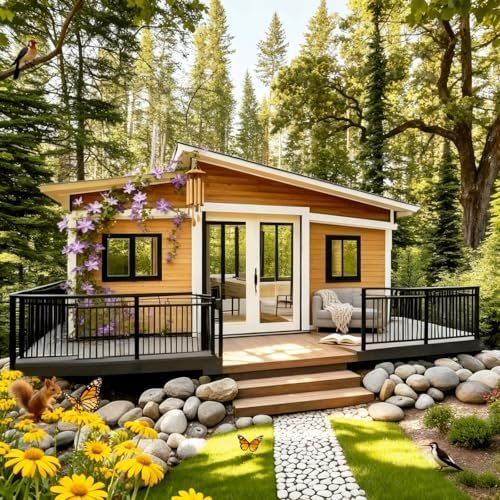
400 square foot
Cottage Tiny Home
A customizable two-bedroom, one bathroom tiny home. Choose your finishes and enjoy a simple and cozy tiny lifestyle with ease.
A cozy tiny home with two bedrooms, a full bathroom, and a usable kitchen with genuine functionality. Instead of feeling compressed into a single room, you gain a layout that supports families, long-term living, guest stays, or backyard housing.
👉 Check out this cottage-style tiny home here.
Additional highlights of this home:
Expandable layout that increases square footage onsite.
This approach keeps transport simple while still delivering a spacious, livable interior once the home is assembled.
Fully equipped kitchen and modern bathroom integrated at the factory.
These finished features reduce installation time and help you start living comfortably right away.
Options for custom flooring, wall finishes, and color palettes.
This flexibility lets the home reflect your taste, routines, and overall design style.
Structural sections that assemble quickly due to prebuilt engineering.
The streamlined install reduces stress and helps you predict your move-in timeline.
Multi-room layout that supports privacy and daily flow.
Defined zones make living with others easier and help maintain a calm, organized environment.
This model shows how modular design supports comfort, personalization, and efficiency—making it a strong fit for buyers who want tiny living with room to grow.
Which One Fits Your Lifestyle?
Both prefab and modular homes offer excellent paths into tiny living, but the right choice depends on your routines, preferences, and long-term expectations. Instead of comparing them by construction alone, think about how each one will support your everyday life.
Questions to guide your decision:
Do you want a simple, fast build with minimal onsite work?
Prefab may serve you best if efficiency and structure matter most.
Do you need multiple rooms or more separation between living zones?
Modular layouts deliver better privacy and more comfortable long-term use.
How complete do you want utilities and interior finishes on arrival?
Modular homes typically offer the highest level of readiness.
Are you planning for full-time living, part-time use, or guest stays?
Your purpose determines whether compact or more spacious designs feel right.
How much customization do you want for finishes and interior layout?
Modular homes offer more detailed personalization—and that matters if you want a space that evolves with you.
Choosing the right construction style becomes easier when you focus on daily life. Tiny homes aren’t defined by size alone—they thrive when the structure aligns with your routines, comfort, and vision for the future.
Get the Free Tiny Homebuying Planner
Comparing prefab and modular options becomes much simpler when everything is organized in one place. Our Free Tiny Homebuying Planner includes comparison charts, checklists, budgeting tools, and guided worksheets tailored specifically to tiny home buyers. It helps you evaluate layouts, utilities, square footage, installation methods, and long-term needs with clarity and ease.

get your free download
Get your Tiny Homebuying Planner Free Via Email.
Whether you’re early in your search or choosing between final contenders, this planner keeps you focused, grounded, and confident.
👉 Download your free Tiny Homebuying Planner here.
Wrapping Up
Prefab and modular tiny homes offer two clear, reliable paths into a life built on simplicity and intention. Prefab designs focus on speed, precision, and predictable assembly. Modular homes offer more finished comfort and flexible, family-friendly layouts. Both can create a home that supports your long-term goals—you simply choose the structure that strengthens your daily routines.
Tiny living works best when your home gives you room to breathe, room to grow, and room to live intentionally. Explore more models in the Tiny House Bliss directory and discover the homes that match your vision, your budget, and your lifestyle.
Subscribe for More Tiny Living Inspiration
Want updates on new tiny homes for sale, planning tools, small-space ideas, and layout inspiration? Join the Tiny House Bliss newsletter. Each issue brings fresh listings, helpful resources, and guidance tailored to your tiny-living journey.


